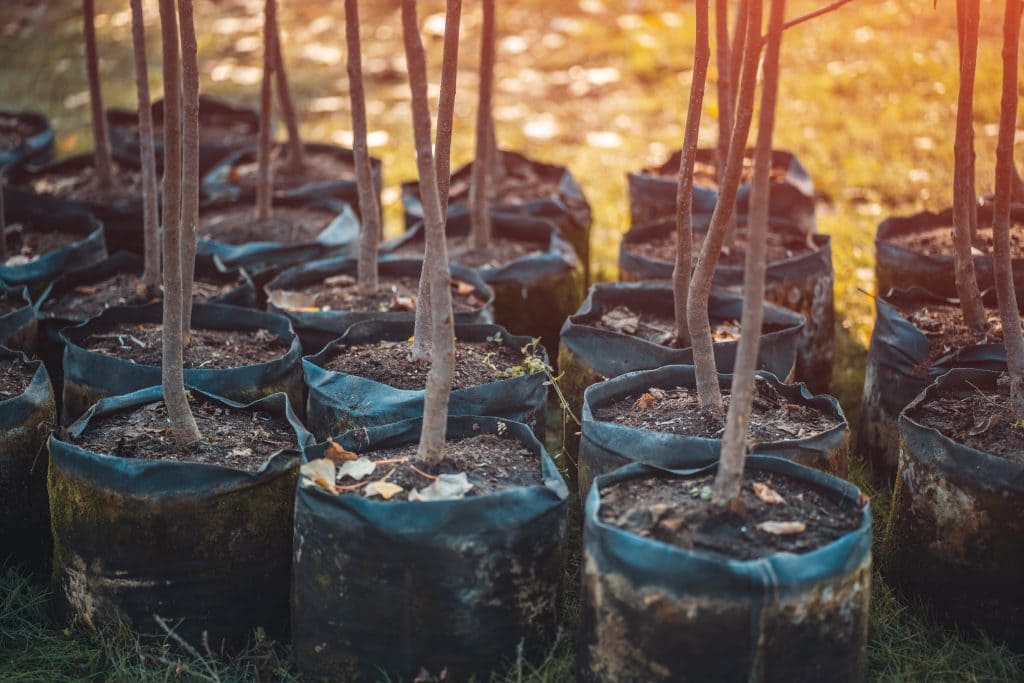
We deliver fast-growing, native trees for immediate shade in Chandler, AZ's harsh desert climate. Our tree planting in Chandler, AZ, focuses on drought-tolerant species suited to monsoon seasons and extreme heat.
Top Leaf Tree Service offers a full range of services, including tree fertilization, root-zone management, and precision pruning to ensure optimal growth and long-term health.
Rapid Canopy Development and Sunburn Pathophysiology
Accelerated shade establishment paradoxically increases photoinhibition and bark necrosis risk through sudden cambial exposure. New growth tissues have less lignification and epicuticular wax development, which makes them more vulnerable to changes in vapor pressure deficit and radiant heat stress.
Additionally, native species selection can play a crucial role in enhancing tree resilience against these environmental stressors.
Mitigation protocols:
-
Phenological monitoring: Track leaf emergence sequencing and trunk exposure intervals to synchronize shade cloth deployment with critical desiccation periods.
-
Canopy architecture management: Strategic thinning reduces wind-driven transpiration rates while maintaining photosynthetically active foliage.
-
Nutritional optimization: Balanced nitrogen-potassium ratios strengthen cell wall integrity without stimulating tender growth susceptible to oxidative stress.
-
Structural establishment: Professional assessment determines optimal staking tension and branch angles to minimize bark abrasion and uneven light interception.
-
Storm recovery: Rapid debris removal prevents extended phototoxicity on freshly exposed tissues during high-intensity weather events.
Seasonal Irrigation for Sapling Establishment
Effective sapling irrigation synchronizes water delivery with phenological transpiration demands and soil water availability.
Root zone moisture must align with evapotranspiration (ET) cycles—typically 0.05–0.15 inches daily during establishment—adjusted for species-specific rooting depth and soil texture.
Critical Parameters
Soil Moisture Monitoring: Install tensiometers or capacitance sensors at 6–12 inch depths to maintain 60–80% available water capacity, preventing both drought stress and anaerobic conditions.
Irrigation Scheduling: Apply 1–2 inches weekly in split applications during establishment phase (months 1–24), reducing frequency as lateral root expansion progresses.
Seasonal Adjustments: Account for monsoon precipitation patterns and ET fluctuations; dormant seasons require 25–40% reduced application rates.
ISA-Certified Arborist Shade Establishment
ISA-certified arborists accelerate canopy development through evidence-based protocols: soil analysis determines root penetration capacity; species selection aligns with desert monsoon precipitation patterns and heat tolerance; planting depth optimization reduces transplant shock and establishes vascular efficiency.
Technical Interventions
Site Assessment & Soil Preparation: Root-zone analysis identifies compaction, pH, and nutrient deficiencies limiting establishment velocity.
Structural Development: Proper spacing (DBH-relative distances), apical dominance pruning, and stake removal timing strengthen mechanical stability during growth phases.
Climate-Specific Selection: Fast-growing species (Velvet Mesquite, Desert Willow, Palo Verde) suit Chandler's aridity and monsoon intensity.
Fertilization Protocols: Staged nutrient applications target establishment windows, sustaining vigor through stress periods.
Maintenance: Storm damage remediation, canopy management, and transplanting services extend functional lifespan and shade productivity.

Get Your Free Post-Storm Tree Assessment and Restoration Estimate Today!
Monsoon damage requires immediate structural evaluation. Top Leaf Tree Service provides ISA-certified arborists who conduct damage diagnostics—identifying branch failure points, crown compromise, and root system integrity.
Critical Assessment Parameters
Post-storm protocols include:
-
Crown architecture evaluation for mechanical stress
-
Cambium layer inspection for storm-inflicted wounds
-
Soil compaction analysis affecting drainage
-
Hazard tree identification and mitigation
Professional restoration prevents secondary damage and disease colonization. Emergency response minimizes liability exposure and accelerates recovery protocols.
Contact: 480-933-2909 | office@topleafaz.com | Use Our Contact Form
Chandler, AZ Attractions and and Landmark Preservation
Chandler integrates arboricultural management with heritage site stewardship through evidence-based practices. Municipal programs encompass mesquite species conservation—endemic to Sonoran Desert ecology—alongside diagnostic pathology for declining specimens near cultural institutions and trail systems.
Arboricultural Infrastructure:
-
Certified pruning protocols mitigating monsoon-induced branch failure and root destabilization
-
Crane-assisted monument installation minimizing soil compaction and cambial damage
-
Fertilization regimens addressing nutrient deficiency in alkaline, caliche-laden soils
Ecological Outcomes:
These interventions optimize canopy structure, enhance watershed infiltration capacity, and maintain genetic diversity of native taxa.
Get Started
Fill out form below